
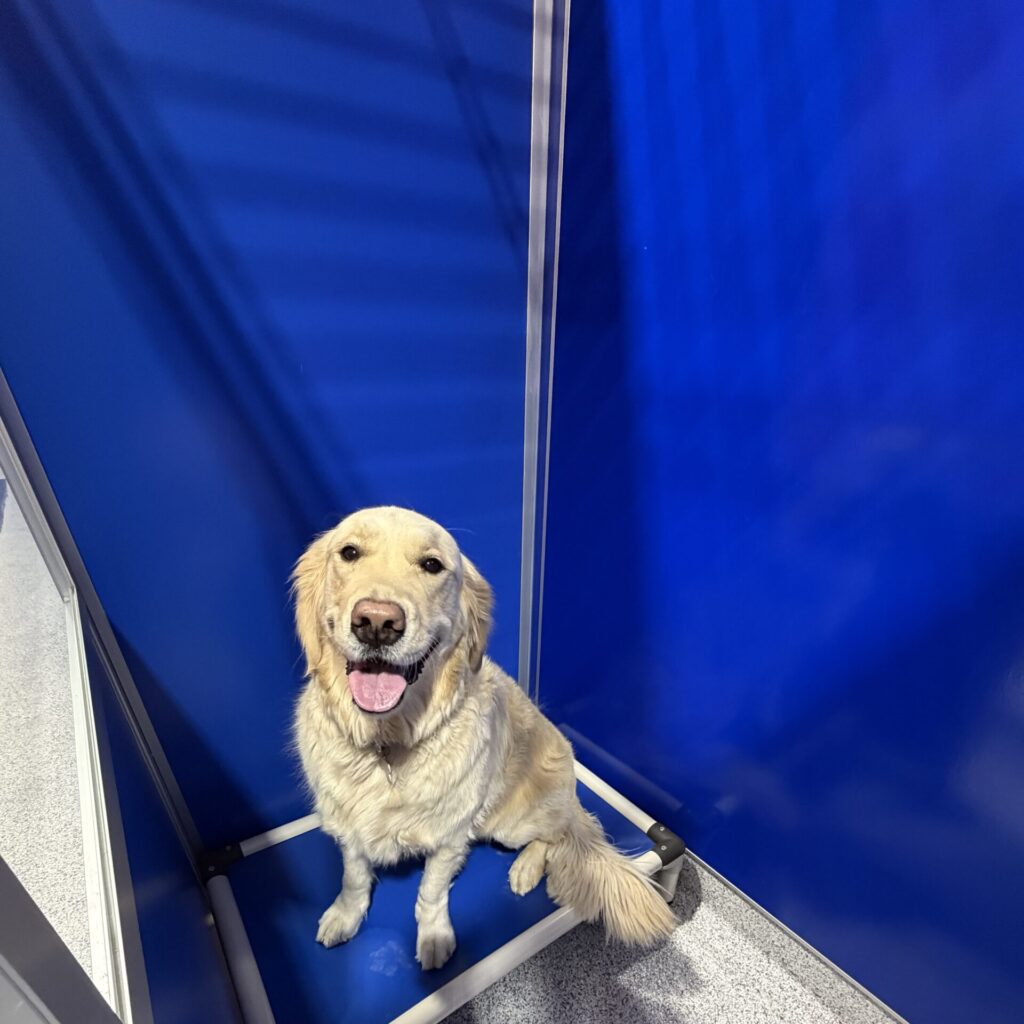
Watch any dog at pickup time from doggy day care, and you’ll see something fascinating: they’re often reluctant to leave. Tails wagging, looking back at their furry friends, sometimes even hiding from their owners. It’s not that they don’t love home – it’s that they’ve discovered something primal and essential to their wellbeing.
After running a dog daycare facility for years, I’ve witnessed thousands of these moments. The science behind why dogs thrive in group settings isn’t just heartwarming – it’s revolutionary for how we think about canine mental health and behavior.
Pack Mentality Isn’t What You Think It Is
Forget everything you’ve heard about “alpha dogs” and dominance hierarchies. Modern animal behaviorists have debunked these outdated theories. What dogs actually crave is something more nuanced: structured social interaction with clear boundaries and positive experiences.
Dr. Patricia McConnell’s research shows that dogs form what she calls “affiliative relationships” – essentially, friendships based on mutual enjoyment rather than dominance. In a well-managed daycare environment, dogs learn to read social cues, practice impulse control, and develop emotional resilience through play.
I’ve watched a shy rescue pittie named Marley transform over six months of daycare visits. Initially cowering in corners, she gradually learned that other dogs weren’t threats but potential playmates. Her owner reported that Marley’s anxiety decreased dramatically, and she became more confident on walks and at home.
The Neurochemical Cocktail of Canine Joy
When dogs engage in social play, their brains release a powerful cocktail of feel-good chemicals. Oxytocin (the “love hormone”) surges during positive interactions with both dogs and humans. Dopamine spikes during anticipatory moments – like arriving at daycare or spotting a favorite playmate.
But here’s what most people don’t realize: this isn’t just about fun. These neurochemical responses actually rewire the brain for better emotional regulation. Dogs who regularly socialize show improved stress recovery, better sleep patterns, and enhanced learning ability.
The Physical Benefits Run Deeper Than Exercise
Sure, dogs get tired at daycare – but it’s not just from running around. The type of exercise matters enormously. Free-play socialization provides what veterinary behaviorists call “functional fitness” – movements that engage the whole body in natural, instinctive ways.
Unlike a simple walk or backyard romp, daycare play involves:
- Multi-directional movement: Sudden stops, pivots, and chase patterns that strengthen core muscles and improve proprioception
- Variable intensity intervals: Natural bursts of high energy followed by rest periods, similar to high-intensity interval training
- Mental-physical coordination: Reading other dogs’ body language while moving requires complex neural processing
Our cage-free dog boarding facility tracks activity levels, and we’ve found that dogs typically engage in 3-4 hours of varied physical activity throughout a daycare day, compared to 30-60 minutes during a typical home day.
The Immune System Boost You Didn’t Expect
Controlled exposure to other dogs actually strengthens immune systems through a process called hormesis – beneficial stress that makes the body more resilient. Dogs in daycare settings show improved resistance to common respiratory infections and allergies, according to veterinary immunologist research.
However, this only works in properly managed environments with health screening protocols. Reputable facilities require up-to-date vaccinations, regular health checks, and have procedures for managing illness exposure.
Behavioral Development: The Daycare Advantage
Dogs are social learners. They learn faster and retain information better when observing other dogs demonstrate behaviors. In daycare settings, well-behaved dogs essentially become “teacher’s assistants,” modeling appropriate play styles, resource sharing, and conflict resolution.
I’ve seen aggressive dogs learn bite inhibition by playing with patient, well-socialized dogs who provide immediate feedback. When a play bite is too hard, the other dog yelps and stops playing – a consequence that’s immediate, natural, and effective.
“The most remarkable transformations happen when dogs learn from other dogs. No amount of human training can replicate the nuanced communication that happens in a well-managed pack environment.” – Dr. Karen Overall, veterinary behaviorist
Problem Solving in Real-Time
Daycare environments present constant low-level challenges that build cognitive flexibility. Dogs must navigate:
- Sharing popular toys and spaces
- Adapting play styles to different personality types
- Reading and responding to multiple social signals simultaneously
- Managing arousal levels in exciting environments
These micro-challenges build what animal cognition researchers call “behavioral flexibility” – the ability to adapt responses based on changing circumstances. Dogs with higher behavioral flexibility show lower stress markers and better problem-solving abilities in novel situations.
The Mental Stimulation Factor
Mental exhaustion is often more satisfying for dogs than physical tiredness alone. Daycare provides constant mental stimulation through:
Social puzzle-solving: Every interaction requires assessment and decision-making. “Is this dog inviting play or asking for space?” “Should I approach this new dog or wait for them to come to me?”
Environmental complexity: Well-designed daycare spaces include varied textures, elevations, and hiding spots that encourage exploration and investigation.
Routine variation: While maintaining structure, good daycares introduce novel elements – new toys, different activity zones, or special enrichment activities that keep minds engaged.
Our facility incorporates dog daycare add-ons like puzzle feeding sessions and scent work activities that provide structured mental challenges alongside free play.
When Daycare Isn’t Right: Red Flags to Watch
Not every dog thrives in daycare, and not every facility provides the benefits described above. Warning signs include:
- Overcrowding: More than 10-12 dogs per supervisor makes proper monitoring impossible
- Mixed age groups without consideration: Puppies under 6 months need different play styles than adult dogs
- Lack of rest periods: Dogs need downtime; constant stimulation creates stress, not joy
- Poor dog-to-staff ratios: Look for facilities with at least one trained staff member per 6-8 dogs
Dogs who are elderly, immunocompromised, or have severe anxiety may benefit more from individual attention or specialized programs rather than group daycare.
Choosing Quality Over Convenience
The dog daycare location might be important for your schedule, but facility quality should be your primary concern. Visit during operating hours, observe staff interactions with dogs, and ask about their dog evaluation and group management procedures.
Look for facilities that conduct temperament assessments, maintain detailed daily reports, and have clear protocols for managing conflicts or overstimulation. The best daycares feel more like organized chaos than rigid control – dogs should look relaxed and happy, not stressed or overexcited.
The Long-Term Impact on Human-Dog Bonds
Perhaps surprisingly, dogs who attend quality daycare often become more bonded with their owners, not less. The confidence and emotional regulation they develop in social settings transfers to their home relationships.
Owners report that their daycare dogs are:
- More responsive to training at home
- Better at entertaining themselves during work hours
- Less destructive when left alone
- More social and confident in new situations
The key is finding the right balance. Most dogs benefit from 2-3 daycare sessions per week rather than daily attendance, allowing time for rest and family bonding at home.
Understanding why dogs love daycare helps us make better decisions about their social and emotional needs. It’s not just about wearing them out – it’s about providing opportunities for natural behaviors, social learning, and psychological development that indoor living can’t always accommodate.
When you see that reluctant-to-leave tail wag at pickup time, you’re witnessing more than just fun. You’re seeing a dog whose instinctual needs for social connection, mental stimulation, and physical challenge have been met in ways that enhance their overall wellbeing and strengthen their bond with you.